

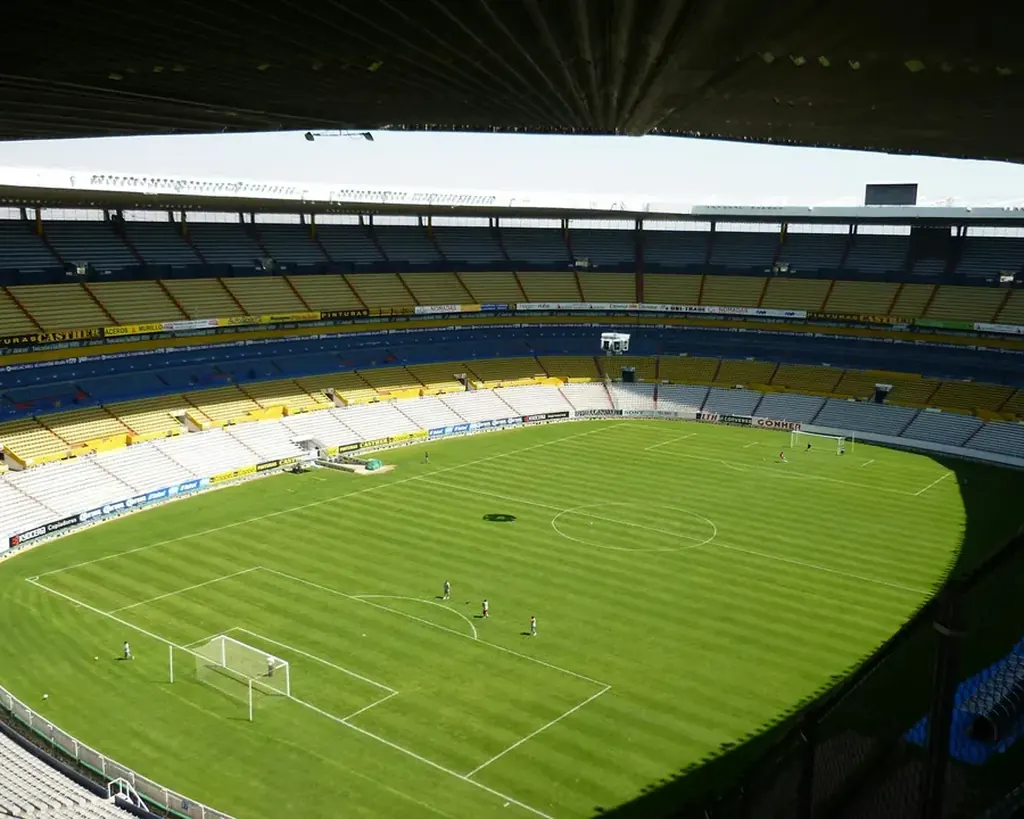
Build-Up Play from the Back
The evolution of Liverpool’s tactical identity under Jürgen Klopp has been well documented, but the most significant transformation in the modern era is not the high press or the gegenpressing—it is the systematic commitment to building play from the back. This approach, once considered a luxury reserved for possession-dominant sides, has become a non-negotiable foundation of how Liverpool progresses the ball from defensive third to final third. The Reds no longer simply clear their lines under pressure; they invite pressure to create space, manipulate opposition structures, and generate numerical advantages in the first phase of possession. Understanding the mechanics of this build-up play reveals why Liverpool remains one of the most difficult sides to press, and why their defensive transitions are so often launched from positions of control rather than desperation.
The Structural Foundations: Why Liverpool Builds from the Back
At its core, Liverpool’s build-up play is a response to modern pressing systems. Opponents in the Premier League and Champions League have become increasingly sophisticated in their high-block structures, often deploying man-oriented presses that aim to suffocate the goalkeeper and centre-backs. The traditional long ball—while occasionally useful—surrenders possession too cheaply against elite opposition, particularly when the second-ball battle is contested by midfielders who are often outnumbered. Liverpool’s solution is to create a shape that forces pressing teams to make difficult choices: either commit numbers forward and risk being bypassed, or drop off and allow the Reds to progress unopposed.
The fundamental structure involves the goalkeeper acting as an eleventh outfield player, the centre-backs splitting wide to the edges of the penalty area, and the full-backs pushing high and wide into the opposition half. This creates a diamond or box shape in the first phase, with the two central midfielders dropping into pockets between the lines. The full-backs—particularly Trent Alexander-Arnold and Andy Robertson—are not merely defensive outlets; they are the primary progressive pass recipients, dragging opposition wingers inward and creating space for the centre-backs to play diagonal passes into the channels.
The Role of the Goalkeeper in the First Phase
Alisson Becker’s distribution is often praised for its accuracy and distance, but his most underrated contribution is his composure under pressure. When Liverpool builds from the back, Alisson is not simply a last-resort option; he is an active participant in the first phase, receiving the ball from centre-backs and then choosing between short passes into midfield, long switches to the opposite full-back, or vertical balls into the striker. His ability to play with both feet allows him to break pressing lines that attempt to force him onto his weaker side.
The goalkeeper’s positioning is critical. Alisson typically stands near the edge of his six-yard box, sometimes as high as the penalty spot, to shorten the distance to his centre-backs and reduce the time opponents have to close him down. This high starting position also allows him to sweep behind the defensive line when necessary, a skill that has saved Liverpool countless goals when the build-up breaks down. The risk, of course, is that a misplaced pass or a heavy touch can lead to a direct goal-scoring opportunity for the opposition—a risk Liverpool accepts because the rewards of controlled progression outweigh the occasional error.
Centre-Back Responsibilities and the Split Shape
Virgil van Dijk and Ibrahima Konaté (or Joe Gomez) are tasked with more than just defending; they are the primary distributors from deep. Van Dijk’s ability to play line-breaking passes into midfield or switch play to the opposite flank is a weapon that few centre-backs possess. His calmness on the ball allows Liverpool to play through the first line of pressure even when opponents commit three or four players to the press.
The split shape is essential. When Liverpool’s goalkeeper has the ball, the two centre-backs move wide to the edges of the penalty area, creating a 2v1 or 2v2 situation against the opposition’s forward line. This forces the opponent’s striker to choose which centre-back to press, leaving the other free to receive the ball and drive forward. If the striker presses the goalkeeper, the centre-backs become open outlets. If the striker drops off, Alisson can play a simple pass into midfield.
The full-backs, meanwhile, push high and wide, pinning the opposition’s wingers or full-backs deep. This creates a passing lane from centre-back to full-back that bypasses the midfield entirely. Liverpool often uses this route to progress the ball quickly into the final third, bypassing the congested central areas where pressing traps are most dangerous.
Midfield Positioning and the Numerical Advantage
The midfield pivot is the engine of Liverpool’s build-up. Under Klopp, the double pivot of Fabinho and Jordan Henderson (or more recently, Alexis Mac Allister and Dominik Szoboszlai) is tasked with creating a 3v2 or 4v3 advantage against the opposition’s midfield line. The two central midfielders do not simply sit in front of the defence; they drop into the half-spaces, offering passing angles that split the opposition’s midfield and defensive lines.
This positioning is crucial because it forces the opposition’s midfielders to make difficult decisions. If they step out to press the centre-backs, the midfielders become free. If they drop off to cover the midfielders, the centre-backs have time to pick a pass. The result is a constant dilemma for the pressing team: either commit numbers forward and risk being played through, or sit deep and allow Liverpool to control possession.
The introduction of Mac Allister and Szoboszlai has added a new dimension to this phase. Both players are comfortable receiving the ball on the half-turn, capable of driving forward with the ball or playing quick one-touch passes. This reduces the time Liverpool spends in the build-up phase and increases the speed of their transitions into the final third.
The Risk-Reward Calculus of Playing from the Back
No tactical approach is without risk, and Liverpool’s build-up play has occasionally backfired against elite pressing sides. The most notable examples include matches against Manchester City, Real Madrid, and Brighton, where aggressive man-oriented presses have forced errors from the centre-backs or goalkeeper. The 2022 Champions League final against Real Madrid exposed Liverpool’s vulnerability to a coordinated press, with Thibaut Courtois’s long distribution bypassing the build-up entirely and creating chances on the counter.
The key risk is the space left behind the full-backs when they push high. If the opposition wins the ball in Liverpool’s defensive third, the full-backs are often caught upfield, leaving the centre-backs exposed in a 2v2 or 2v3 situation. This is why Liverpool’s defensive transitions are so dependent on the midfielders recovering quickly and the centre-backs being able to defend in space.
Another risk is the psychological pressure on the goalkeeper and centre-backs. A single misplaced pass can lead to a goal, and the mental toll of playing under constant pressure can accumulate over a season. Liverpool’s coaching staff mitigates this through repetition in training, ensuring that the patterns become automatic, but the risk remains inherent to the system.
Comparative Analysis: Liverpool vs. Other Build-Up Systems
| Team | Build-Up Shape | Goalkeeper Role | Primary Progression Method | Vulnerability |
|---|---|---|---|---|
| Liverpool | 2-3-5 or 3-2-5 | Active sweeper-keeper | Full-back overloads and midfield half-spaces | Space behind high full-backs |
| Manchester City | 3-2-4-1 | Ederson as deep playmaker | Inverted full-back into midfield | Counter-attacks through central areas |
| Arsenal | 2-3-5 with inverted full-back | Ramsdale as distributor | Through midfield triangles | Pressing triggers on centre-backs |
| Brighton | 3-2-4-1 with high centre-backs | Verbruggen as sweeper | Through centre-back combinations | Vulnerability to direct balls |
Liverpool’s approach differs from Manchester City’s in one key aspect: City often uses an inverted full-back (John Stones) to create a 3-2-5 shape in possession, whereas Liverpool prefers to keep its full-backs wide and high. This gives Liverpool more width in the final third but also leaves them more exposed to counter-attacks. City’s system is more secure defensively but requires more technical precision in the build-up phase.
Practical Implementation: How Liverpool Trains Build-Up Patterns
The training ground is where Liverpool’s build-up play is refined. Sessions often involve small-sided games with specific constraints: the goalkeeper must play out from the back, the centre-backs cannot kick long, and the midfielders must receive the ball on the half-turn. These constraints force players to develop the spatial awareness and technical skills necessary to execute the system under match conditions.
One common drill involves a 7v7 game on a reduced pitch, with the attacking team required to build from the goalkeeper and progress through three zones. The defending team is allowed to press only in certain zones, simulating the different phases of a match. This repetition builds the automaticity that allows Liverpool to play through pressure even when fatigued.
Another key element is the use of video analysis. Players review their own build-up sequences, identifying moments where they could have taken a better touch, made a quicker pass, or positioned themselves more effectively. This self-referential learning is critical because build-up play is as much about decision-making as it is about technique.
The Future of Liverpool’s Build-Up Play
As Liverpool evolves under new tactical influences, the build-up play from the back will remain a cornerstone of the system. The integration of younger players from the academy, who have been trained in these patterns from a young age, suggests that the approach will only become more refined. The challenge will be adapting to the increasing sophistication of opponents’ pressing systems, which are becoming more coordinated and more difficult to bypass.
One potential evolution is the increased use of the goalkeeper as a playmaker rather than just a distributor. Alisson’s passing range is already elite, but the next step is for him to play more vertical passes into midfield, bypassing the centre-backs entirely. This would shorten the build-up phase and reduce the risk of errors in the defensive third.
Another possibility is the use of a false full-back, similar to what Manchester City does with John Stones. This would allow Liverpool to create a 3-2-5 shape in possession, providing more security against counter-attacks while maintaining the width in the final third. However, this would require a significant tactical shift and may not suit the strengths of the current squad.
Build-up play from the back is not merely a stylistic choice for Liverpool; it is a tactical necessity in the modern game. The ability to play through pressure, create numerical advantages, and progress the ball into the final third with control is what separates elite sides from the rest. Liverpool’s system, built around the goalkeeper’s distribution, the centre-backs’ passing range, and the midfielders’ positioning, is one of the most effective in world football. The risks are real—errors can lead to goals—but the rewards are greater: controlled possession, quick transitions, and a platform for attacking creativity.
For a deeper understanding of how Liverpool’s build-up connects to their pressing traps, read our analysis of pressing traps in the midfield third. To explore how passing networks shape Liverpool’s attacking patterns, see our piece on xPass networks in midfield. And for a broader view of Liverpool’s tactical system, visit our tactical match analysis hub.
Reader Comments (0)