

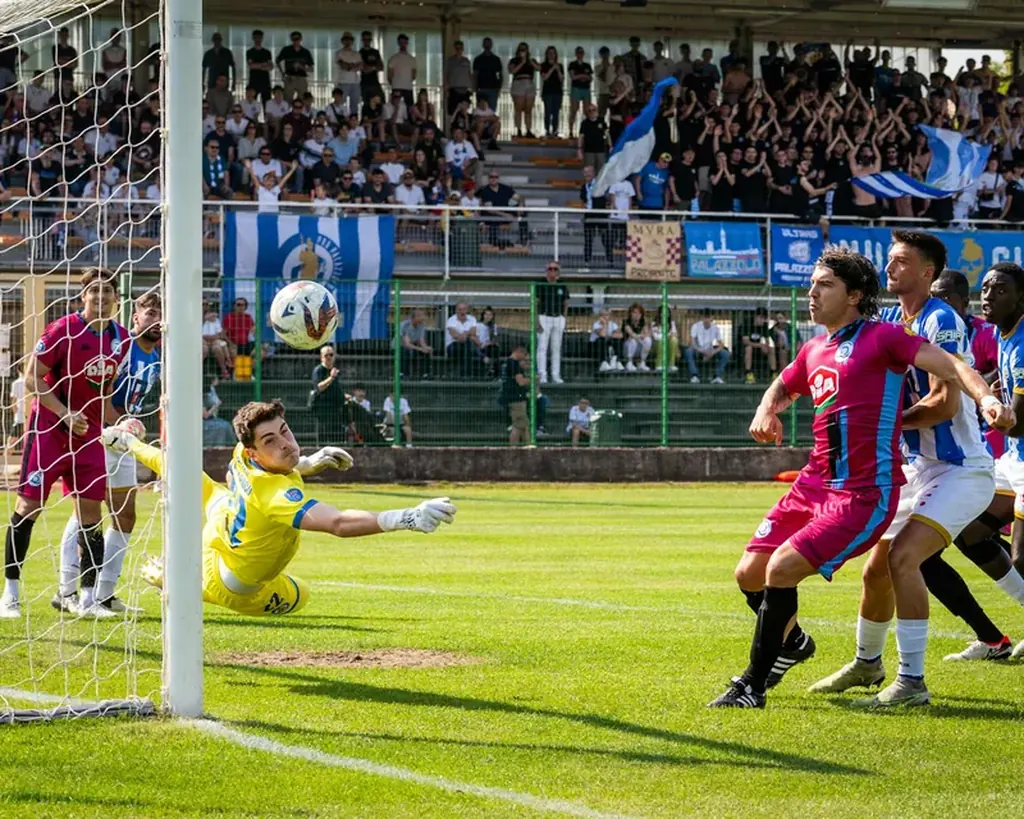
Both Teams to Score in Liverpool Matches: Trends
The phenomenon of both teams scoring (BTTS) in Liverpool matches has evolved into a distinct analytical category for bettors and tactical observers alike. Under recent managerial tenures, Liverpool's high-risk, high-pressing system has often produced matches where defensive solidity can take a backseat to attacking ambition. This creates a statistical environment where the "both teams to score" market demands more nuanced consideration than simple home/away splits or opponent quality. Understanding the underlying dynamics—formation adjustments, personnel availability, and match context—transforms this from a binary guess into a calculated assessment.
The Anfield Factor: Home vs. Away Dynamics
Liverpool's approach at Anfield differs markedly from their away performances, and this directly impacts BTTS probability. At Anfield, the team typically presses higher, commits more players forward, and maintains a defensive line that invites counter-attacking opportunities for opponents. This creates a statistical paradox: while Liverpool scores more frequently at home, they also concede at a higher rate in certain matchups.
Key considerations for Anfield matches:
- Analyze the opponent's counter-attacking efficiency—teams with pace on the wings can exploit the space behind Liverpool's fullbacks.
- Consider the "early goal" dynamic: when Liverpool scores first at Anfield, opponents often adjust their approach, which can affect both teams' scoring probability.
- Monitor fullback selection—when fullbacks push high, the defensive transition becomes more vulnerable.
The Pressing System and Defensive Exposure
Liverpool's tactical system inherently creates BTTS opportunities. The high press, while effective at winning possession high up the pitch, leaves the defensive line exposed when bypassed. Opponents who can play through Liverpool's first two pressing lines—typically the forwards and midfield—find themselves in advantageous situations against Liverpool's backline.
Matchup factors that can elevate BTTS probability:
- Opponents with technically proficient midfielders who can receive under pressure
- Teams employing a low block with quick transition outlets
- Matches against sides with set-piece specialists
Statistical Patterns by Competition
Different competitions can produce distinct BTTS trends for Liverpool. The Premier League, with its intensity and parity, often yields different BTTS rates compared to Champions League group stages where Liverpool sometimes controls possession more completely.
Competition breakdown considerations:
- Premier League: Often higher BTTS rate due to league-wide attacking quality and Liverpool's aggressive away approach
- Champions League: BTTS rate may vary, with lower rates in group stages against defensive opponents but potentially higher in knockout rounds against elite sides
- Domestic Cups: Variable BTTS rates depending on squad rotation and opponent quality
The "Big Six" Effect
Matches against traditional top-six opponents can produce a distinctive BTTS pattern. These games often feature high-intensity, end-to-end football where both teams commit to attacking football.
Key factors to consider:
- Match intensity and both teams' attacking intent
- Historical tendency for open play in high-stakes encounters
- Tactical adjustments based on opponent strength
Injury and Rotation Impact
Player availability can significantly alter BTTS probability. When key defensive players are unavailable, the team's defensive structure may become more porous. Similarly, when key attackers are rested, Liverpool's goal-scoring efficiency may decline while the defensive shape remains relatively stable.
Injury report analysis checklist:
- Check the availability of first-choice defensive midfielder—this player can provide important cover for counter-attacks
- Monitor center-back partnership continuity—new partnerships may have communication gaps
- Assess fullback rotation—less experienced fullbacks may leave more space behind
- Consider goalkeeper form—a confident keeper can help mask defensive deficiencies
Match Context and Motivation
The psychological state of both teams influences BTTS outcomes. Liverpool matches against relegation-threatened sides often see the opponent playing with desperation, leading to more attacking risk-taking. Conversely, matches against teams with nothing to play for may produce lower BTTS rates as motivation wanes.
Contextual factors to evaluate:
- Liverpool's position in the table and title race intensity
- Opponent's relegation or European qualification stakes
- Recent form trends for both sides
- Head-to-head history and tactical familiarity
Practical Application for Bettors
To effectively analyze Liverpool BTTS markets, develop a systematic approach that combines multiple data points. Begin with the matchup analysis, then layer in personnel availability, and finally consider the broader match context.
Step-by-step assessment framework:
- Identify the opponent's attacking threat—do they have pace, set-piece specialists, or creative midfielders?
- Evaluate Liverpool's defensive personnel—who is available, and how long have they played together?
- Assess the match location and expected tactical approach
- Review recent form for both teams, focusing on the last 5-6 matches
- Consider the competition stage and what's at stake for both sides
Reader Comments (0)