

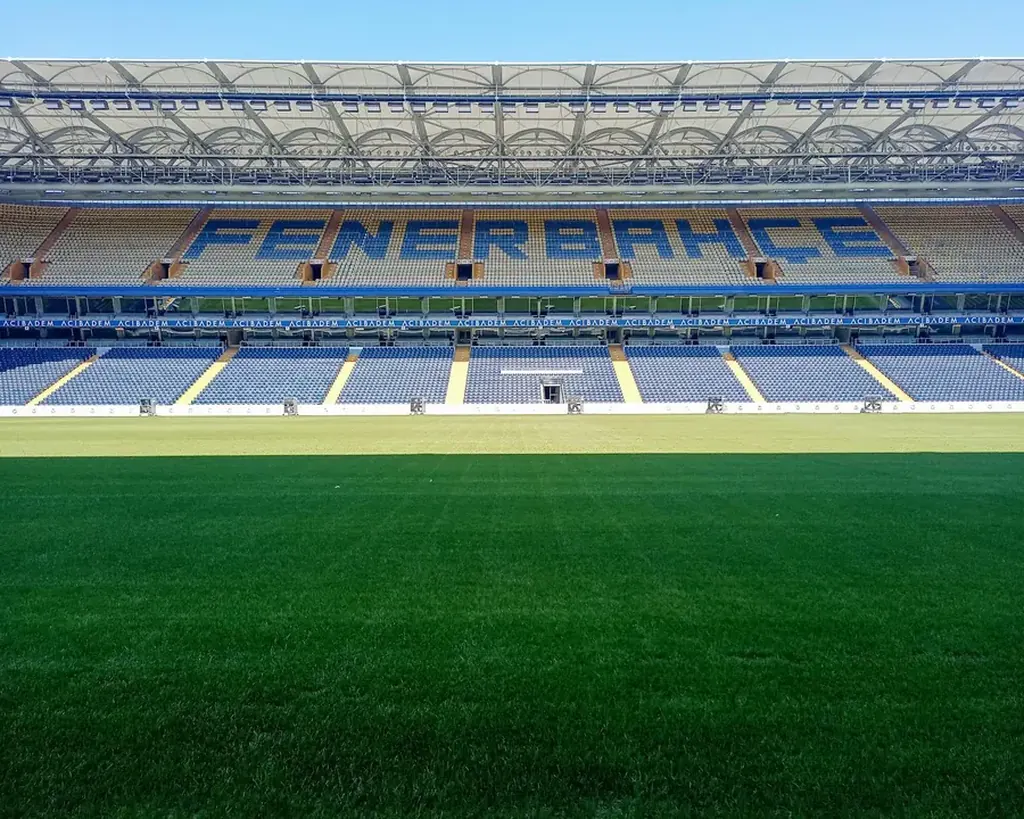
Club World Cup Championship History
You know, when you sit down and think about Liverpool Football Club’s trophy cabinet, the one piece of silverware that sparks more debate than any other is the Club World Cup. Some fans see it as a glorified friendly, others as proof of global dominance. But here’s the thing—whether you love it or dismiss it, the Reds’ history in this competition tells a story of evolution, heartbreak, and eventual triumph. It’s a journey that mirrors the club’s own rise from domestic giants to genuine world beaters.
Before we dive into the specifics, let’s get one thing straight: the Club World Cup hasn’t always looked like it does today. It started life as the Intercontinental Cup, a straight-up two-legged affair between the European Cup winners and their South American counterparts. Back then, it was raw, chaotic, and often violent. Liverpool’s first taste of it came in 1981, and let me tell you, it wasn’t pretty.
The Early Years: Intercontinental Cup Heartbreak
1981 – A Lesson in South American Grit
Liverpool’s first shot at world glory came after winning the European Cup in 1981. Bob Paisley’s side faced Flamengo of Brazil, a team buzzing with talent like Zico. The match was played in Tokyo, and the Reds were confident. But what unfolded was a masterclass in South American flair. Flamengo won 3-0, and Liverpool learned a harsh truth: European dominance doesn’t automatically translate to global success. The defeat stung, and it would take years for the club to get another crack at it.
1984 – The Near Miss
Fast forward to 1984. Liverpool, under Joe Fagan, had just won the European Cup again. This time, they faced Independiente of Argentina. The match was tight, scrappy, and decided by a single goal. Liverpool lost 1-0. Again, heartbreak. The pattern was emerging—European champions, yes, but not quite able to bridge the gap to South American powerhouses. It was frustrating, but it also planted a seed. The club knew they needed to adapt.
The Modern Era: FIFA Club World Cup
2005 – The First Real Shot
When Liverpool won the Champions League in 2005, the FIFA Club World Cup had replaced the Intercontinental Cup. It was now a proper tournament, with teams from all six confederations. The Reds qualified automatically as European champions, and they faced São Paulo in the final. Expectations were high. But again, a Brazilian side proved too much. São Paulo won 1-0, and Liverpool walked away with silver medals. It was progress, but not the prize they wanted.
The 2005 edition also highlighted a growing issue: the timing. The tournament was held in Japan in December, right in the middle of the Premier League season. Liverpool had to juggle domestic commitments with a trip halfway across the world. It wasn’t ideal, and it showed in their performances. Fatigue was a real factor.
2019 – The Breakthrough
Then came 2019. Jürgen Klopp’s Liverpool had just won the Champions League, and the squad was at its peak. The Club World Cup was held in Qatar, and the Reds were determined to finally get it right. They faced Monterrey in the semifinal, a tricky Mexican side that pushed them all the way. Liverpool won 2-1, but it was nervy. The final against Flamengo—yes, the same club that beat them in 1981—was a different story.
Roberto Firmino scored the winner in extra time, and Liverpool were world champions for the first time. The scenes at the final whistle were pure joy. Virgil van Dijk lifted the trophy, and the Reds had finally conquered the world. It wasn’t the most glamorous competition, but it was a monkey off their back.
How Liverpool’s Performances Compare
| Year | Opponent | Result | Key Player | Notes |
|---|---|---|---|---|
| 1981 | Flamengo | 0-3 loss | Zico (opposition) | Intercontinental Cup, one-off match |
| 1984 | Independiente | 0-1 loss | – | Intercontinental Cup, tight contest |
| 2005 | São Paulo | 0-1 loss | – | FIFA Club World Cup, first attempt |
| 2019 | Flamengo | 1-0 win | Roberto Firmino | Extra-time victory, first title |
The table tells a clear story: Liverpool struggled against South American sides for decades. But when they finally broke through in 2019, it was against the same club that had humbled them 38 years earlier. That’s poetic justice, if you ask me.
The Tactical Evolution
What changed between 1981 and 2019? Simple—Liverpool’s playing style evolved. In the early years, the Reds relied on physicality and direct play. That worked in Europe, but South American teams were more technical and adaptable. By 2019, Klopp had built a side that could control games, press relentlessly, and adapt to different opponents. The 2019 final wasn’t a classic, but it showed Liverpool could grind out a result against a quality side.
The tactical shift also reflects how football has globalized. In the 1980s, South American clubs were a mystery. Scouts were rare, and video analysis was basic. By 2019, Liverpool had a full analytics department. They knew Flamengo’s weaknesses, and they exploited them. That’s the difference between a team that loses and a team that wins.
The Legacy and What It Means
Winning the Club World Cup in 2019 completed a set for Liverpool. They’d won every major trophy under Klopp, and it cemented their status as one of the greatest sides of the modern era. But let’s not kid ourselves—the competition still has its critics. Some fans argue it’s a distraction, a money-making exercise for FIFA. Others point to the lack of prestige compared to the Champions League.
But here’s the reality: Liverpool’s history in this tournament is a microcosm of their journey. They started as a dominant European force that couldn’t quite crack the global stage. They learned, adapted, and eventually conquered. That’s the Liverpool way.
If you’re interested in how Liverpool’s other tournament histories stack up, check out our tournament history overview. And if you want to see where the club went wrong in the transfer market during those years, our tournament signing flops piece is a must-read.
The Risks of Overvaluing the Club World Cup
Now, I’ll be honest with you—there’s a risk in putting too much stock in this competition. Some fans and pundits use it as a barometer for global dominance, but that’s flawed. The tournament is held at an awkward time, with teams arriving at different levels of fitness and preparation. A win doesn’t prove you’re the best team in the world; it proves you were the best on that particular night.
For Liverpool, the danger is complacency. If the club starts prioritizing the Club World Cup over domestic competitions, it could backfire. Klopp’s squad rotation in 2019 worked, but it was a gamble. One wrong move, and they could have lost the Premier League title race. Balance is key.
Also, the tournament’s format is changing. FIFA has announced an expanded Club World Cup starting in 2025, with 32 teams. That could dilute the prestige even further. Liverpool might find themselves competing in a bloated competition that nobody really cares about. It’s something to watch.
So, where does Liverpool’s Club World Cup history leave us? It’s a story of near-misses, frustration, and eventual glory. The 2019 win was sweet, but it didn’t erase the pain of 1981 or 2005. What it did do was prove that Liverpool could adapt and overcome. That’s the real legacy.
For fans, the Club World Cup will always be a bit of an oddity. It’s not the Champions League, and it never will be. But it’s part of the club’s fabric, a chapter in a long and storied history. And as Liverpool looks to the future, they’ll have the chance to add more chapters—whether in the expanded format or in future editions.
If you’re curious about how the away goals rule has shaped Liverpool’s European campaigns, don’t miss our deep dive on the historic away goals rule impact. It’s a fascinating look at how one rule changed the game.
What do you think—does the Club World Cup deserve more respect, or is it just a nice bonus trophy? Drop your thoughts in the comments, and let’s keep the conversation going.
Reader Comments (0)