

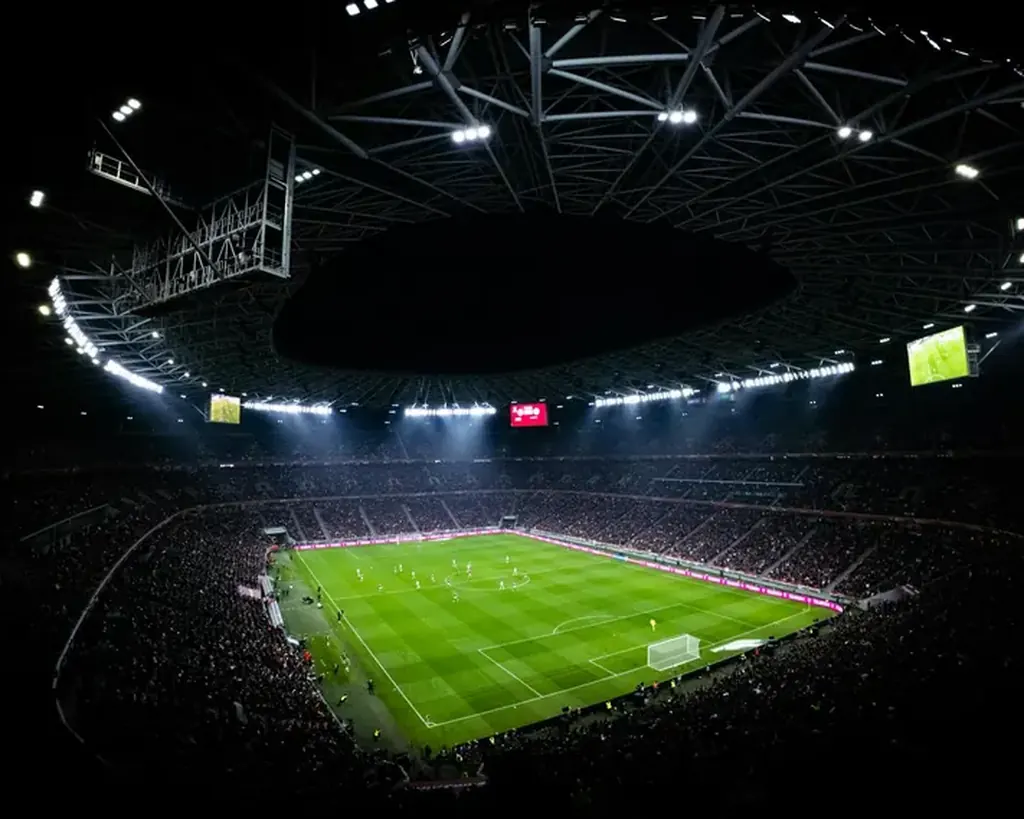
Rivalry with Manchester United
There’s no fixture in English football—maybe in world football—that carries the weight, the history, and the raw, unfiltered emotion of Liverpool vs Manchester United. It’s not just a game; it’s a cultural clash, a socioeconomic divide, and a battle for supremacy that stretches back over a century. For Liverpool fans, this isn’t just another match on the calendar. It’s the one that defines seasons, careers, and sometimes, entire eras. The rivalry is woven into the fabric of both clubs, from the factories of Merseyside to the mills of Manchester, and it’s as much about pride as it is about points. Let’s dig into what makes this rivalry tick, from its origins to its modern-day intensity, and why it still matters more than any other.
The Roots of the Rivalry: More Than Football
To understand why Liverpool and Manchester United despise each other, you have to look beyond the pitch. Both cities were industrial powerhouses in the 19th and 20th centuries, competing for trade, resources, and influence. Liverpool, with its sprawling docks, was a global port city, while Manchester was the heart of the textile industry. The construction of the Manchester Ship Canal in 1894 was a direct blow to Liverpool’s economy, allowing Manchester to bypass the port entirely. That economic tension bled into football, and when both clubs rose to prominence, the rivalry became a proxy for the cities’ broader struggles.
On the pitch, the animosity was fueled by success. Liverpool dominated English football in the 1970s and 1980s, winning league titles and European Cups with a swagger that United fans envied. Meanwhile, United, under Sir Matt Busby, had their own golden era in the 1960s, but it was the post-1992 Premier League period that truly escalated things. Alex Ferguson’s infamous quote about knocking Liverpool “off their fucking perch” wasn’t just bravado—it was a declaration of war. And for decades, United succeeded, but the rivalry never lost its edge.
The Numbers Game: Head-to-Head and Trophy Counts
When you look at the statistics, this rivalry is remarkably balanced. As of the latest seasons, Liverpool and Manchester United have faced each other over 240 times in all competitions. Liverpool holds a slight edge in wins, but United has more Premier League titles in the modern era. The trophy cabinet comparison is a constant source of debate among fans, but here’s a honest look at the numbers:
| Competition | Liverpool Titles | Manchester United Titles |
|---|---|---|
| First Division / Premier League | 19 | 20 |
| FA Cup | 8 | 12 |
| League Cup / EFL Cup | 10 | 6 |
| European Cup / Champions League | 6 | 3 |
| UEFA Cup / Europa League | 3 | 1 |
That one-point gap in league titles—19 to 20—is the source of endless needle. Liverpool fans point to six European Cups as the ultimate measure of greatness, while United supporters counter with their domestic dominance. The truth is, both clubs have legitimate claims to being the biggest in England, and that’s what makes the rivalry so compelling. It’s not settled, and it never will be.
Iconic Matches That Defined the Rivalry
Every Liverpool fan has a memory of a United game that left them either euphoric or heartbroken. Here are a few that stand out, not just for the scorelines but for the stories behind them.
The 4-3 at Anfield (1996)
This was a Premier League classic that had everything—goals, drama, and a young Jamie Redknapp scoring a last-minute winner. United took a 2-0 lead, Liverpool fought back to 3-2, and then Eric Cantona equalized before Redknapp’s free-kick sealed it. It was chaotic, relentless, and a perfect example of why this fixture is never dull.The 4-1 at Old Trafford (2009)
Liverpool were on the back foot in the title race, but they traveled to Old Trafford and dismantled United. Fernando Torres was unplayable, Steven Gerrard ran the midfield, and the Kop sang “You’ll Never Walk Alone” long after the final whistle. It was a statement win that reminded everyone Liverpool could still compete at the highest level.The 7-0 at Anfield (2023)
More recently, Liverpool’s 7-0 demolition of United under Jürgen Klopp was a modern masterpiece. Cody Gakpo, Darwin Núñez, and Mohamed Salah all scored braces, and the atmosphere at Anfield was electric. It wasn’t just a win—it was a humiliation that United fans will never forget, and Liverpool fans will never stop celebrating.The Managers and Their Influence
The rivalry has been shaped by the managers who understood its importance. Bill Shankly, with his working-class ethos, set the tone for Liverpool’s identity, while Matt Busby built United’s post-Munich resurgence. In the modern era, Alex Ferguson and Jürgen Klopp are the two figures who defined the fixture for their respective clubs.
Ferguson’s United were relentless, physical, and mentally strong. They knew how to grind out results at Anfield, often frustrating Liverpool with defensive solidity and counter-attacking brilliance. Klopp, on the other hand, brought a high-intensity, emotional approach that turned Anfield into a fortress. His teams never backed down, and the 7-0 win was the ultimate expression of his philosophy. The contrast in styles—Ferguson’s pragmatism vs Klopp’s chaos—made every meeting fascinating.
The Modern Era: Shifting Dynamics
In recent years, the rivalry has evolved. United’s decline under David Moyes, Louis van Gaal, José Mourinho, and Ole Gunnar Solskjær gave Liverpool an opening, and Klopp capitalized. The Reds won the Premier League in 2020, their first in 30 years, and added a sixth Champions League in 2019. United, meanwhile, have struggled to find consistency, with Erik ten Hag’s tenure bringing both promise and frustration.
The dynamics have shifted, but the intensity hasn’t. Every match is still a war of attrition, with tackles flying in, tempers flaring, and the crowd roaring. For Liverpool, beating United is about more than three points—it’s about asserting dominance in a rivalry that has defined English football for generations.
Why This Rivalry Matters More Than Others
Some might argue that Liverpool’s rivalry with Everton is more historic, or that United’s with City is more local. But the Liverpool-United fixture is unique because it transcends geography. It’s about two clubs with global fanbases, two cities with intertwined histories, and two sets of fans who genuinely dislike each other. There’s no respect here—not really. There’s only the desire to win, to humiliate, and to silence the opposition.
For Liverpool fans, this rivalry is personal. It’s about proving that the red half of England is superior, that the European Cups matter more, and that Anfield is a fortress that even the most successful United sides can’t conquer. Every victory is savored, every defeat is agonizing, and every match is a reminder of why we love this sport.
The Risks of Underestimating United
One thing Liverpool fans have learned the hard way is that you can never write off United, no matter how bad they seem. In the 2021-22 season, United were in turmoil, but they still managed to snatch a 1-1 draw at Old Trafford that dented Liverpool’s title hopes. The rivalry has a way of leveling the playing field, defying form and logic. Liverpool have to approach every United game with the same intensity, because one moment of complacency can cost everything.
Looking Ahead: The Future of the Rivalry
As both clubs navigate the modern football landscape—with new ownership, financial constraints, and the rise of other challengers—the Liverpool-United rivalry will continue to evolve. For Liverpool, the challenge is to maintain their competitive edge while rebuilding under a new manager, whoever that may be. For United, it’s about returning to the top and proving they can still compete with their historic rivals.
One thing is certain: the fixture will never lose its edge. Whether it’s a title decider or a mid-table clash, Liverpool vs Manchester United is always must-watch. It’s a rivalry that has produced some of the greatest moments in football history, and it will continue to do so for generations to come.
For more on Liverpool’s storied past, check out our coverage of tournament history, FA Cup final heartbreaks, and Premier League title races. The rivalry with United is just one chapter in a much larger story, but it’s a chapter that every Liverpool fan knows by heart.
Reader Comments (0)